The Lockheed U-2 Spyplane
Discover the legendary "Dragon Lady" - the iconic high-altitude reconnaissance aircraft that has served for over 70 years.
Discover the legendary "Dragon Lady" - the iconic high-altitude reconnaissance aircraft that has served for over 70 years.
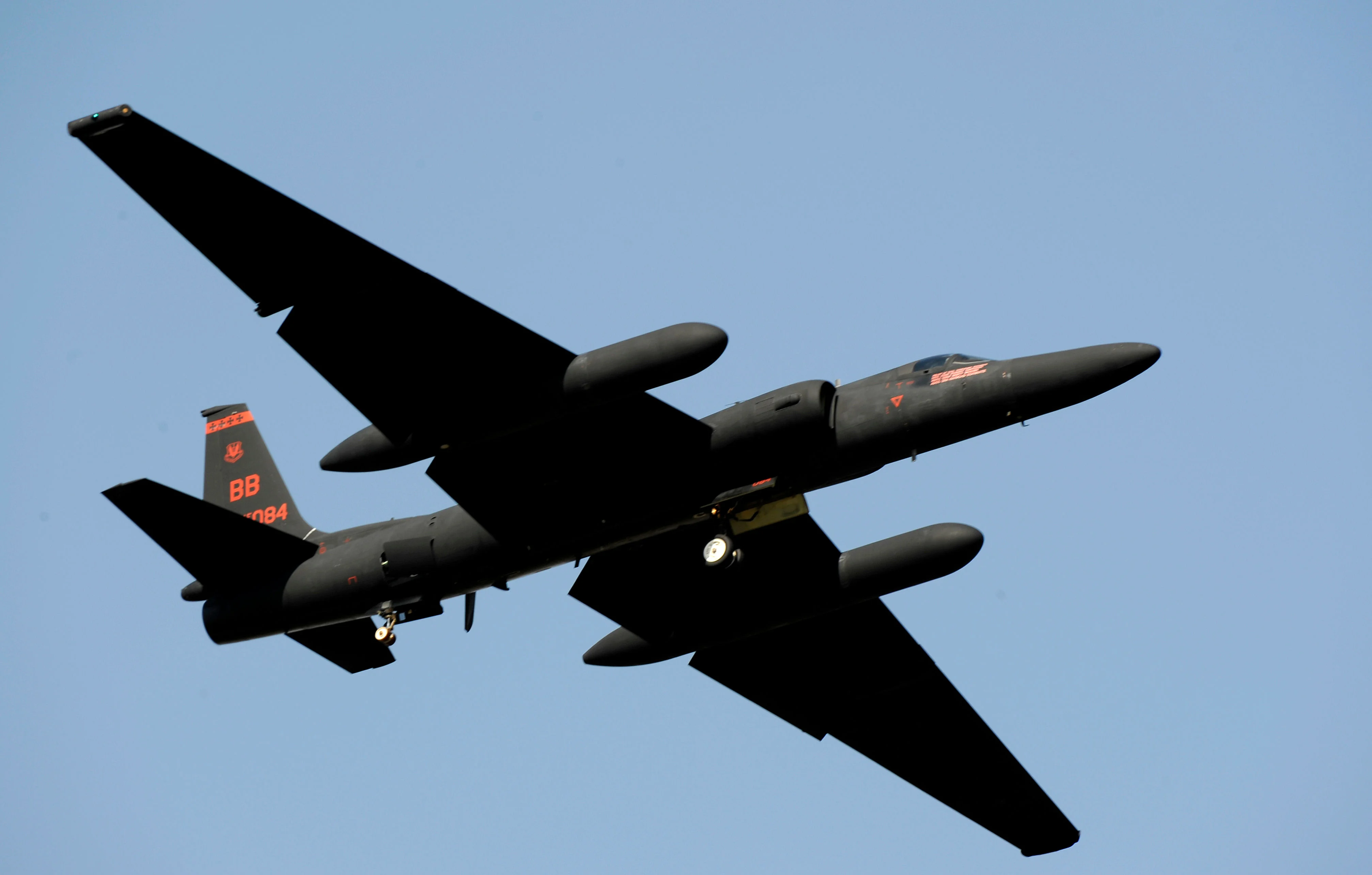
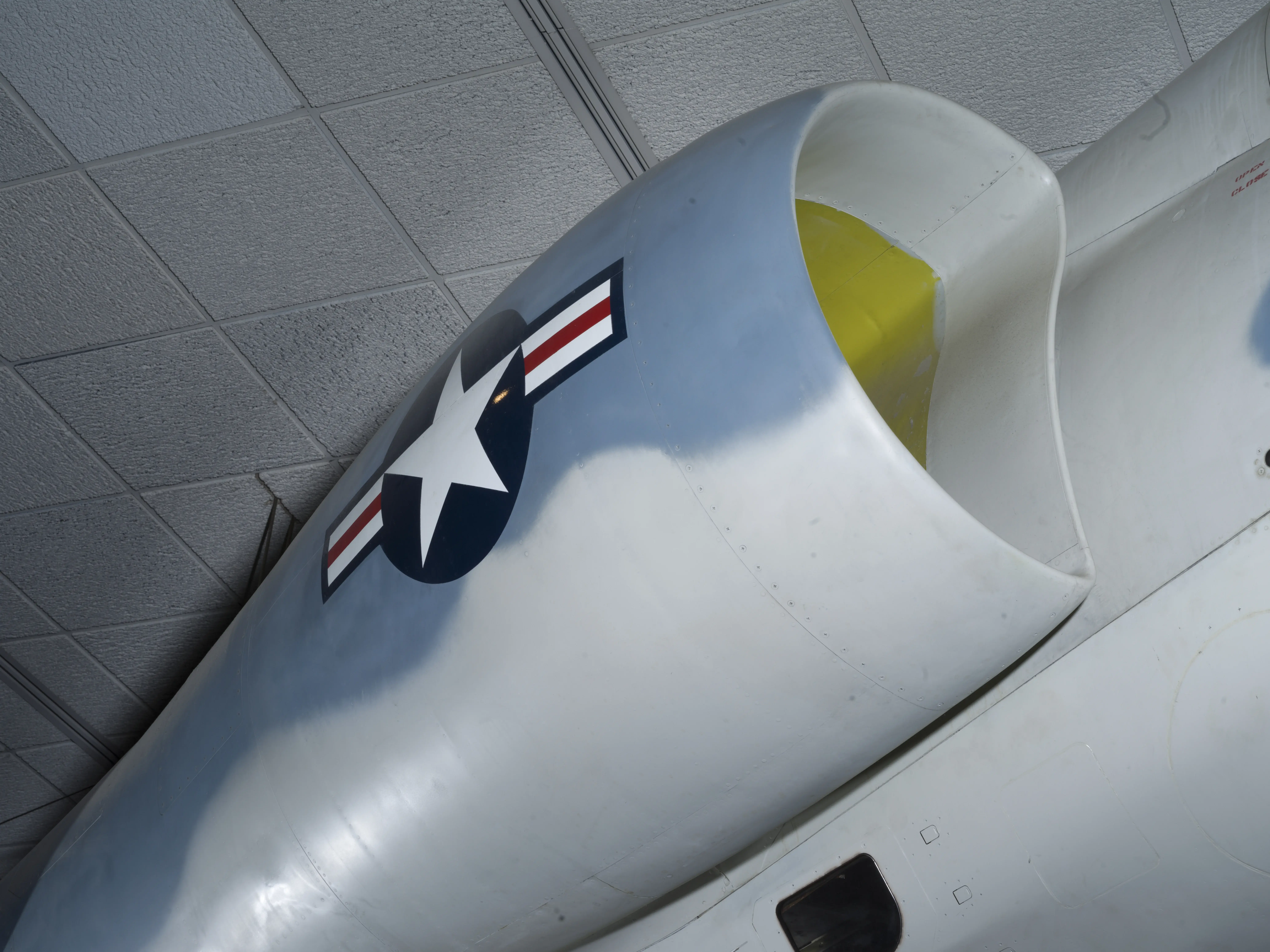
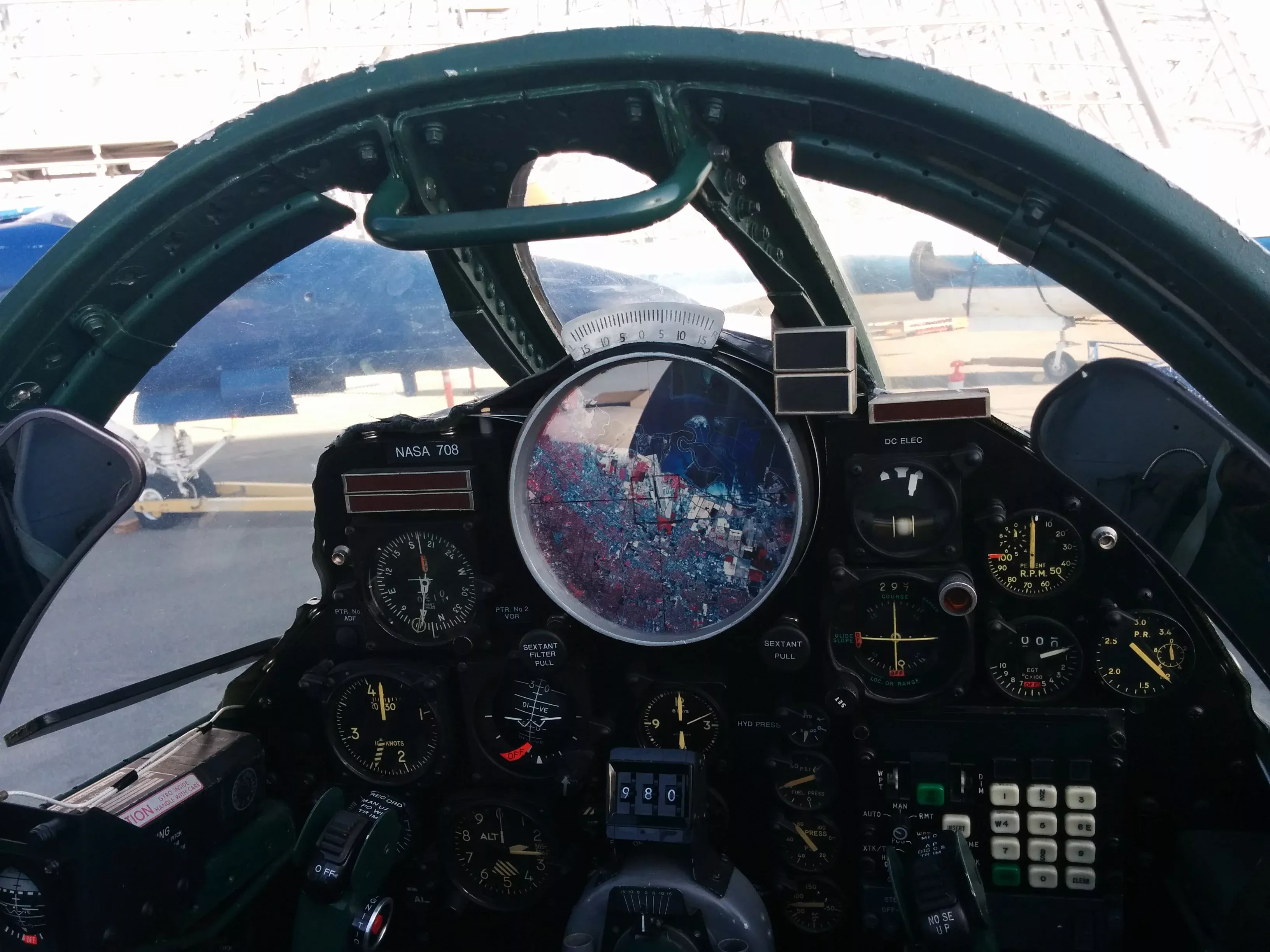
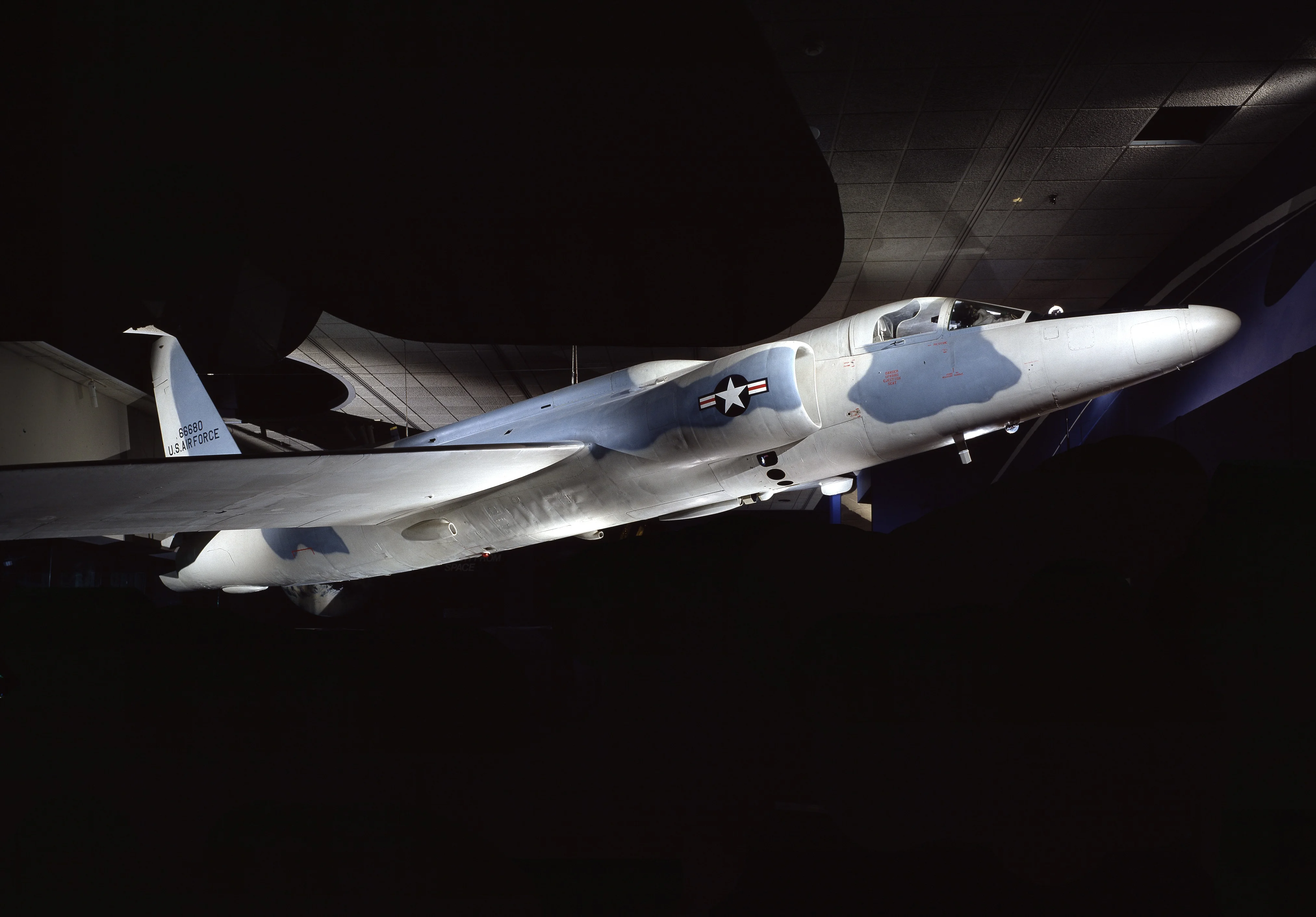
The Lockheed U-2, nicknamed the "Dragon Lady," is a single-engine, high-altitude reconnaissance aircraft operated by the United States Air Force and NASA. Designed and built by Lockheed's Skunk Works, the U-2 has been in continuous service since its first flight in 1955.
The prototype U-2 made its maiden flight on August 1, 1955, piloted by Lockheed test pilot Tony LeVier. The aircraft was designed under the direction of Clarence "Kelly" Johnson at the Skunk Works.
The U-2 entered operational service with the CIA, conducting overflights of the Soviet Union and communist bloc countries, providing critical intelligence during the Cold War.
On May 1, 1960, CIA pilot Francis Gary Powers was shot down over Soviet airspace, creating an international incident that marked the end of U-2 overflights of the USSR.
U-2 flights provided crucial imagery that confirmed the presence of Soviet missiles in Cuba, leading to the resolution of the 13-day standoff that brought the world to the brink of nuclear war.
Modern U-2s continue to serve, with upgrades including advanced sensors, communications equipment, and improved engine performance, remaining essential to national security.
The U-2's unique design enables it to operate at extreme altitudes while maintaining the stability necessary for high-resolution imagery collection.
| Wingspan | 103 ft (31.4 m) |
| Length | 63 ft (19.2 m) |
| Height | 16 ft (4.9 m) |
| Wing Area | 1,000 sq ft (93 m²) |
| Empty Weight | 14,300 lb (6,500 kg) |
| Max Takeoff Weight | 40,000 lb (18,100 kg) |
| Engine | 1× General Electric F118-101 |
| Thrust | 17,000 lbf (76 kN) |
| Maximum Speed | 410 mph (660 km/h) |
| Cruise Speed | 340 mph (550 km/h) |
| Service Ceiling | 70,000 ft (21,300 m) |
| Range | 6,000 mi (9,700 km) |
The U-2 has been deployed in every major conflict and strategic crisis since its introduction, providing unmatched intelligence capabilities.
The primary mission of the U-2 remains strategic reconnaissance, collecting imagery intelligence (IMINT) and signals intelligence (SIGINT) from locations inaccessible to satellites during specific time windows.
NASA operates U-2s for atmospheric research, earth science, and calibration of satellite sensors, flying at altitudes that allow scientists to study the upper atmosphere and ozone layer.
The U-2's rapid deployment capability makes it invaluable for crisis response, providing real-time imagery during international crises, natural disasters, and combat operations.
New sensors, communications systems, and avionics are often tested on U-2 platforms before being deployed to other aircraft, taking advantage of the aircraft's stable high-altitude flight characteristics.
Key terms and definitions related to the U-2 and aerial reconnaissance.
The designation for Lockheed's utility transport aircraft, famously used for high-altitude reconnaissance. The aircraft's civilian registration preceded its military designation.
The famous nickname for the U-2, derived from the USAF's internal project designation "DRAGON LADY." The name reflects the aircraft's elegant appearance, demanding flying characteristics, and secretive operational history.
The systematic observation of enemies or potential enemies by air, land, or sea to gather intelligence information.
Operating above 60,000 feet (18,300 meters), where the U-2 can overfly targets without being intercepted by most fighter aircraft.
The period of geopolitical tension between the Soviet Union and the United States from 1947 to 1991, during which the U-2 conducted critical overflights.
The act of flying an aircraft over a foreign country's territory to collect intelligence, a practice that was common but controversial during the Cold War.
Francis Gary Powers (1929-1977), a CIA pilot whose U-2 was shot down over the Soviet Union in 1960, becoming a pivotal figure in Cold War history.
Lockheed Martin's advanced development division, known for developing the U-2 and other classified aircraft under the leadership of Clarence "Kelly" Johnson.
On May 1, 1960, a routine reconnaissance mission turned into an international crisis that changed the course of Cold War history.
CIA pilot Francis Gary Powers was flying a routine U-2 mission over Soviet territory, photographing military installations from an altitude of 70,000 feet. Soviet leader Nikita Khrushchev had just announced plans for a summit, and the Eisenhower administration wanted final intelligence before negotiations.
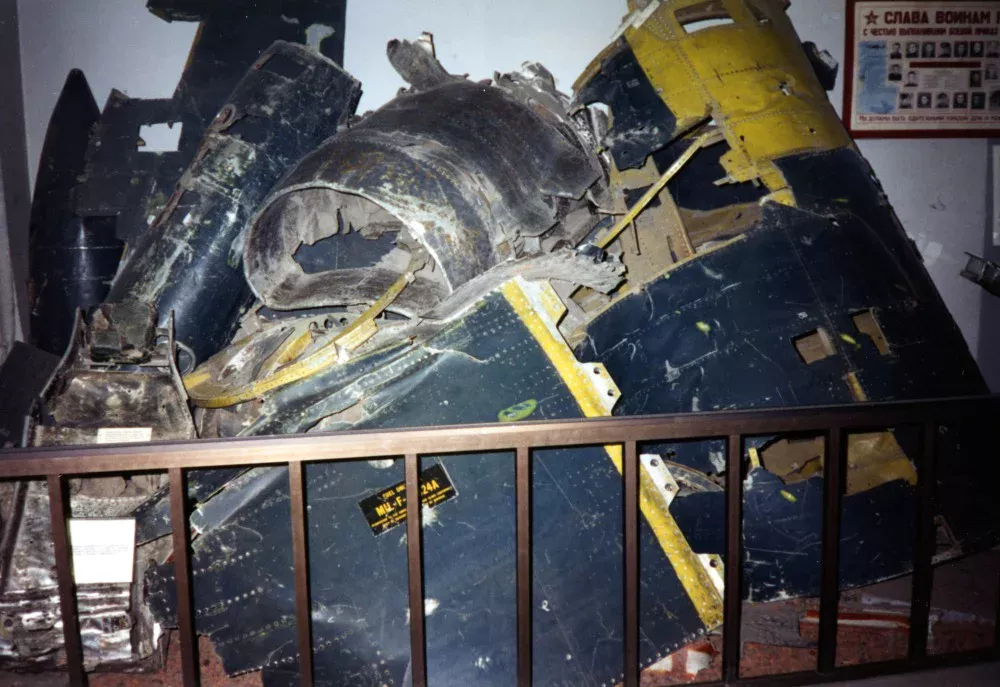
Near Sverdlovsk (now Yekaterinburg), Powers' U-2 was detected by Soviet radar and tracked for nearly two hours. Despite flying at unprecedented heights, the U-2 was finally struck by a Soviet surface-to-air missile (SAM), severing part of the wing and forcing Powers to eject.
Powers survived the ejection and was captured by Soviet forces, along with the remains of his aircraft and top-secret surveillance equipment. What followed was one of the most dramatic episodes of the Cold War.
The U-2 had conducted dozens of successful overflights since 1956, providing crucial intelligence on Soviet military capabilities. The Eisenhower administration believed these missions were essential for national security.
When the Soviets presented evidence of the downed aircraft and captured pilot, President Eisenhower's initial denials crumbled. The incident destroyed months of diplomatic work and derailed the Paris Summit.
Powers was convicted of espionage and sentenced to 10 years in a Soviet labor camp. He was released in 1962 in exchange for Soviet spy Rudolf Abel and became an American hero upon his return.
The men and women who flew the Dragon Lady at the edge of space, facing extraordinary dangers in service to their country.
1929-1977
The most famous U-2 pilot, Powers was shot down on May 1, 1960, during a reconnaissance mission over the Soviet Union. His capture and subsequent trial became an international incident.
After his release in 1962, Powers wrote a memoir and worked as a test pilot. He died in a helicopter crash in 1977 while covering a story as a news photographer.
1910-1990
The legendary designer at Lockheed's Skunk Works who led the development of the U-2. Johnson's revolutionary approach to aircraft design created one of history's most iconic spyplanes.
During his 46-year career, Johnson designed over 40 aircraft, including the U-2, SR-71 Blackbird, and the F-104 Starfighter. He was awarded the Presidential Medal of Freedom in 1964.
1913-1998
The test pilot who made the first flight of the U-2 on August 1, 1955, at Groom Lake, Nevada. LeVier's expertise was crucial in developing the aircraft's handling characteristics.
A former Marine fighter pilot, LeVier flew over 130 different aircraft types during his career and was inducted into the Aerospace Walk of Honor.
1922-2015
Commander of the U-2 program at Beale Air Force Base, Wooldridge flew numerous classified missions and was instrumental in the aircraft's operational development.
After retiring from the Air Force, Wooldridge continued to advocate for U-2 reconnaissance capabilities and contributed to the aircraft's modernization efforts.
The U-2 incorporated revolutionary design features that made high-altitude reconnaissance possible and influenced aircraft design for decades.
103-foot wingspan
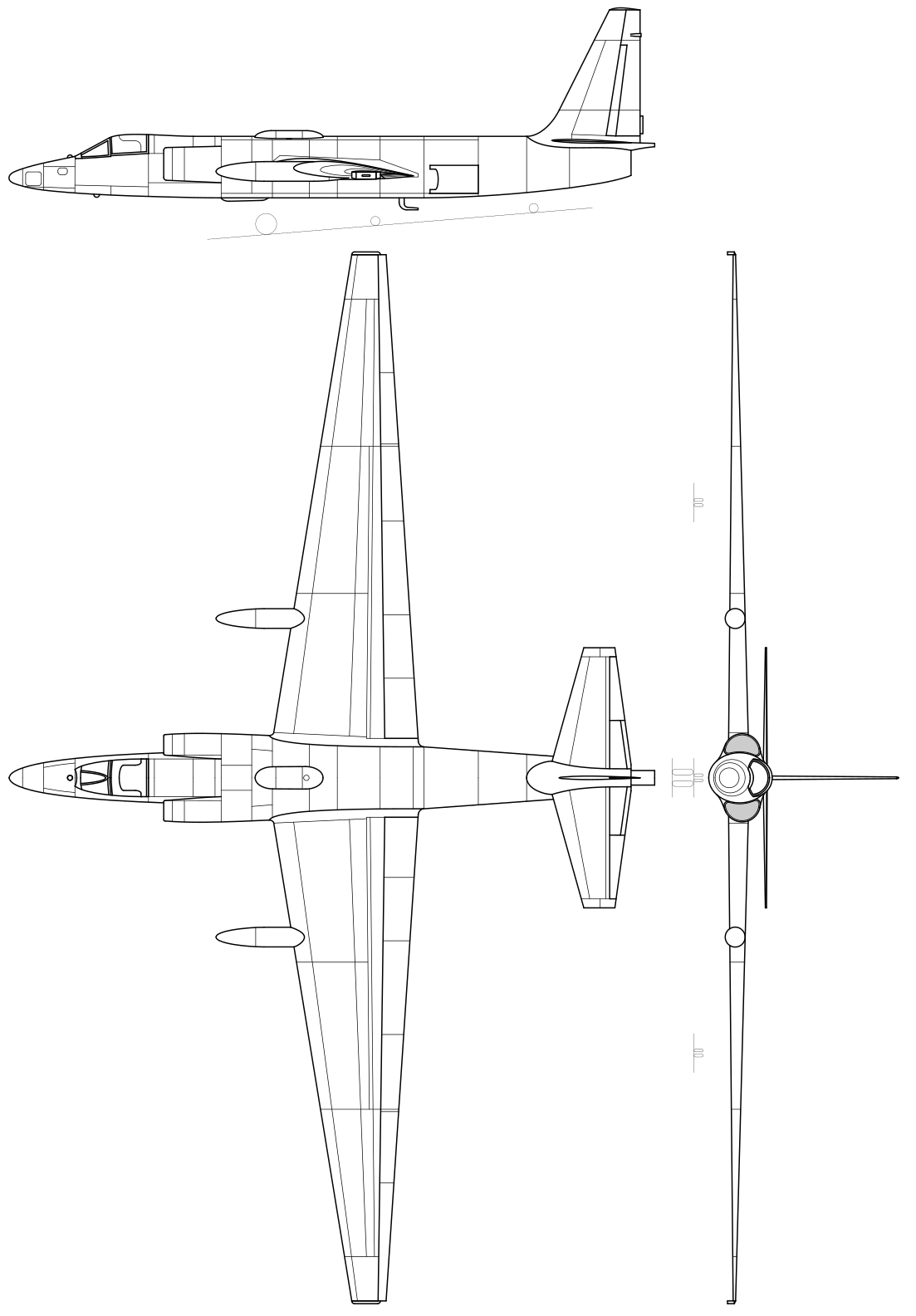
The U-2's most distinctive feature is its incredibly long, thin wings with an aspect ratio of 10.6:1. This design allows the aircraft to glide efficiently at extreme altitudes, where the thin atmosphere would make conventional wings ineffective. The wings are so large that the U-2 takes off and lands like a glider, requiring a bicycle-like landing gear configuration to accommodate the wingspan.
General Electric F118-101
The current U-2S is powered by a General Electric F118-101 turbofan engine, delivering 17,000 lbf of thrust. This represents a significant upgrade from the original Pratt & Whitney J57 turbojet used in early models. The F118 provides improved fuel efficiency, better high-altitude performance, and reduced operating costs compared to its predecessor.
6,000 lb capacity
The U-2's large nose and underside houses sophisticated surveillance equipment including panoramic cameras capable of photographing 200,000 square miles from a single flight, infrared sensors for detecting heat signatures, and electronic intelligence (ELINT) equipment for monitoring radar and communications.
Full coverage
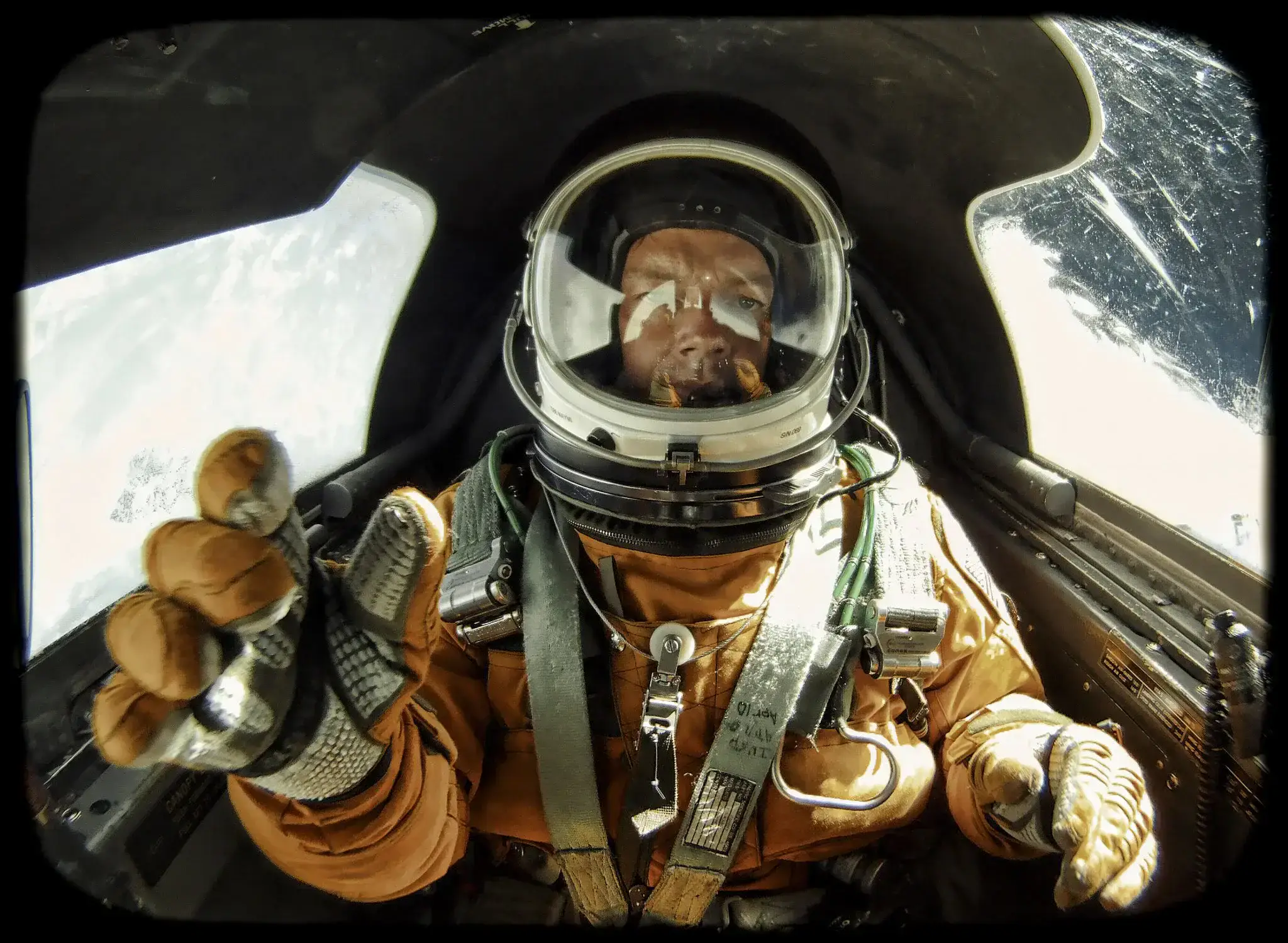
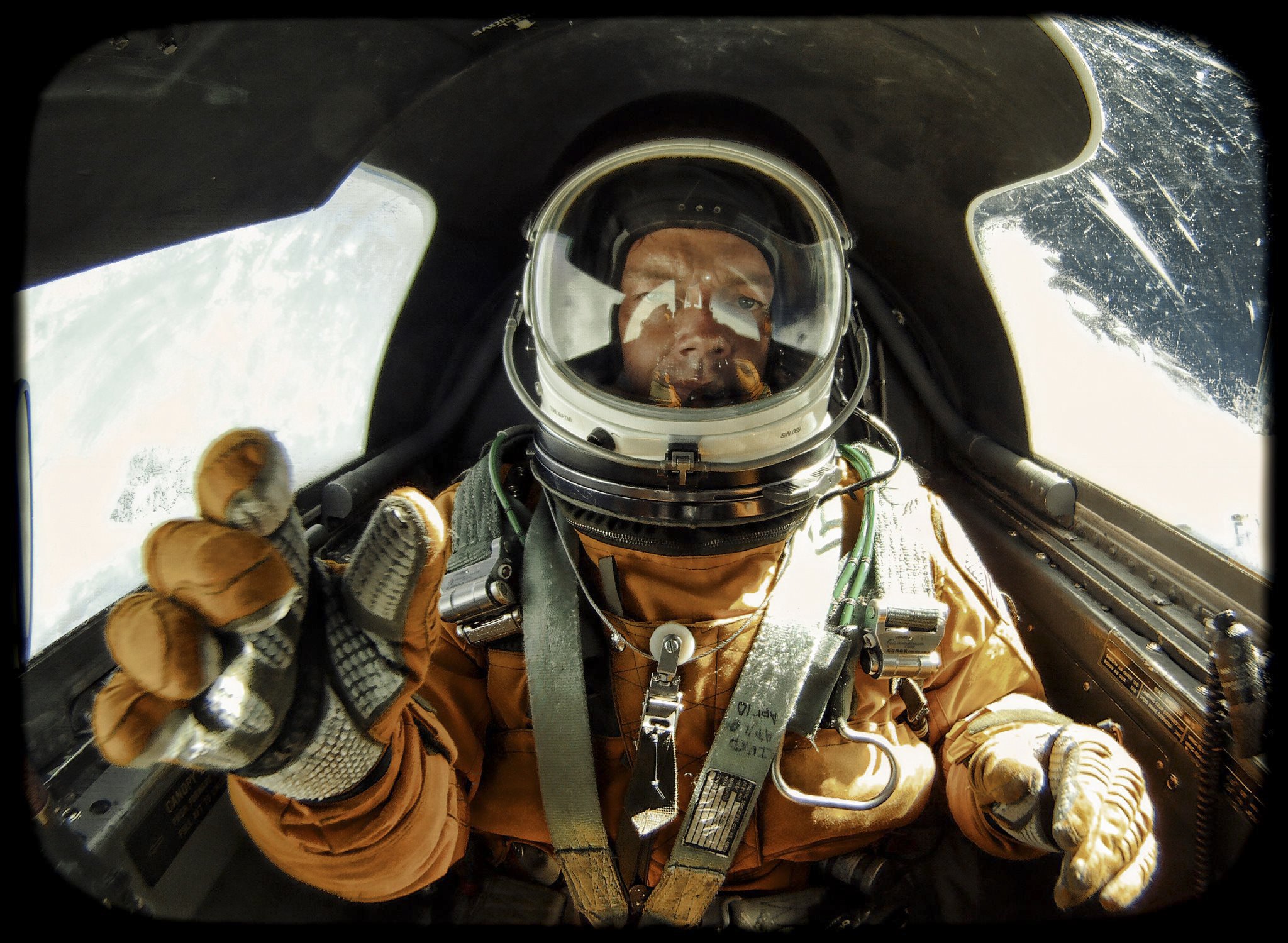
U-2 pilots wear a full-pressure suit similar to those used by astronauts. At 70,000 feet, the atmospheric pressure is so low that decompression would be fatal within seconds. The suit, developed by B.F. Goodrich, maintains pilot safety even in the event of cabin depressurization.
Several museums around the world display the legendary Dragon Lady for public viewing.
Dayton, Ohio
Home to one of the most complete collections of U.S. military aircraft. Features multiple U-2 variants including the TR-1 and U-2S, plus extensive historical exhibits on Cold War reconnaissance.
Colorado Springs, Colorado
Features a restored U-2 on display, offering cadets and visitors insight into high-altitude reconnaissance history and the Academy's role in training U-2 pilots.
Roy, Utah
Home to a rare U-2A on display, showcasing the aircraft's unique design and Utah's significant role in U-2 operations from nearby sites.
Ashland, Nebraska
Features a U-2 on display as part of America's nuclear deterrent and strategic aviation heritage collection.
Marysville, California
The current home of the U-2 fleet offers occasional base tours and air shows where visitors can see operational U-2s up close.
Cambridge, England
Features exhibits on Cold War aviation and reconnaissance, with U-2-related artifacts documenting the tense standoff between East and West.
How does the Dragon Lady compare to other legendary reconnaissance aircraft?
| Aircraft | Wingspan | Ceiling | Speed | Era |
|---|---|---|---|---|
| Lockheed U-2 | 103 ft (31.4 m) | 70,000+ ft | 410 mph | 1955-Present |
| Lockheed SR-71 Blackbird | 55.6 ft (17.0 m) | 85,000 ft | 2,193 mph | 1966-1998 |
| Lockheed A-12 Oxcart | 55.6 ft (17.0 m) | 90,000 ft | 2,275 mph | 1963-1973 |
| Northrop Grumman RQ-4 Global Hawk | 116.7 ft (35.6 m) | 60,000 ft | 390 mph | 2001-Present |
| U-2S (Modern) | 103 ft (31.4 m) | 70,000+ ft | 475 mph | 1989-Present |
Explore the U-2 through our collection of historical and modern photographs.